Slaughterhouse Worker
🇺🇸 United States · ManufacturingJob Countdown
until AI starts replacing people in this job
Sep 8, 2031 · 1787 days left
Robots already debone chicken and pork, and camera-guided machines are learning beef. Injuries and unfilled jobs push the biggest packing plants to automate first.
View replacement outlook
Estimated AI timeline
AI impact · ShrinkingSlaughterhouse Worker: what AI changes and what stays
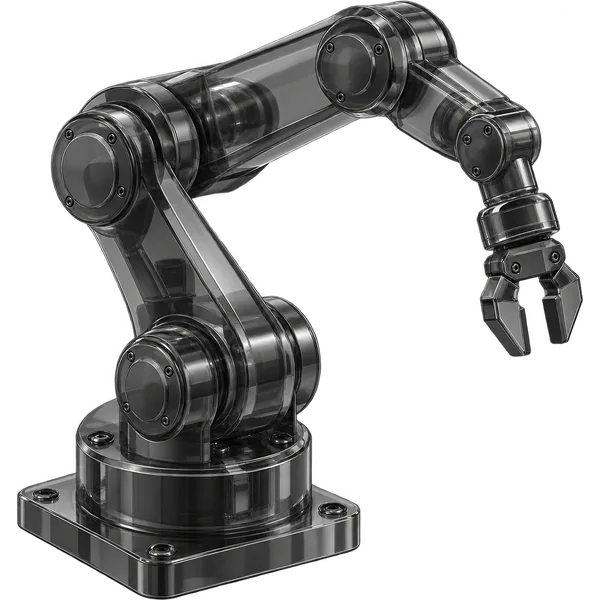
The line moves fast and doesn't stop for anyone: a carcass arrives, a knife has to find the same joint in seconds, and the floor stays cold and wet all shift. Commercial deboning arms are now built for exactly that repetitive cutting motion.
Which meatpacking tasks does AI replace first?
Deboning and trimming poultry and pork by hand is where commercial robots already work, and AI vision systems are catching up on beef cuts too. YOU'RE NEXT rates today's robot capability at 4 out of 10 for this work, and expects it to reach the core deboning tasks a little before the wider hiring slowdown hits — plants facing chronic labor shortages and high injury rates are adopting it first, not last.
Why do humans stay on the kill floor?
Handling live animals safely and humanely, and working fast with sharp tools in cold, wet conditions, still call for a level of touch and judgment machines haven't matched on a full production line. It's exactly those two tasks that keep a meaningful share of kill-floor work human two decades out, since a plant can automate the cutting line long before it can automate the judgment a live animal demands.
What should someone in meatpacking focus on now?
Cross-train on the tasks that stay hardest to automate — live-animal handling and fast hand-deboning — since those skills carry weight even as robotic lines expand around them. Plants adopting robots still need people who can run maintenance, quality checks and the animal-welfare side of the floor, so that experience is worth building toward.
Written
Your thoughts on Slaughterhouse Worker· English
No comments yet