Packing & Labeling Worker
🇺🇸 United States · ManufacturingJob Countdown
until AI starts replacing people in this job
Mar 8, 2030 · 1238 days left
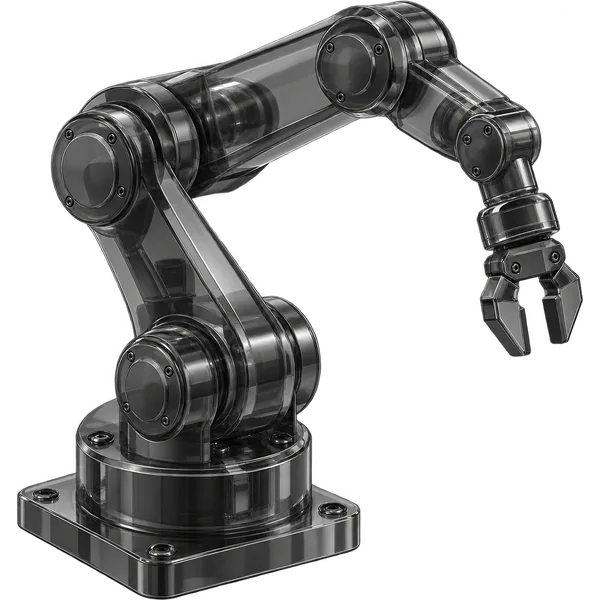
Machines have boxed uniform products for decades. Now robot arms with AI vision pick odd-shaped items too, and big fulfillment centers are thinning their packing lines.
View replacement outlook
Estimated AI timeline
AI impact · ShrinkingPacking & Labeling Worker: what AI changes and what stays
Packing a uniform product, like identical boxes of the same item, into a shipping carton has been automated for a long time. What kept a person on the line was packing oddly shaped or fragile items by hand, and robot arms with cameras are now starting to do that part too.
Why are packing lines thinning out now specifically?
Vision-guided robot arms can already grip and pack irregularly shaped items, the kind of product that used to require a human hand rather than a fixed machine, and YOU’RE NEXT rates that ability as fairly capable today. Large fulfillment centers are the first to adopt this, since they run the volume that makes new equipment worth the cost, and YOU’RE NEXT expects that thinning to be well underway there by around 2030.
What packing work still needs a person?
Spotting a damaged item before it ships, a dented can or a torn box, still relies on a person's eye more than a camera tuned for shape and placement. Packing something oddly shaped or fragile so it survives shipping, and simply keeping pace with a fast line for a full shift without the quality slipping, also still lean on a person rather than a robot arm.
What should someone in this job focus on?
Since large centers are automating the most standard packing work first, smaller operations that still handle irregular or custom orders are likely to need people longer, so that is worth knowing when choosing where to work. Getting familiar with how the new robot arms and vision systems actually work is also useful, since operating and troubleshooting that equipment is often where a job on this line is headed next.
Written
Your thoughts on Packing & Labeling Worker· English
No comments yet