Packaging & Filling Machine Operator
🇺🇸 United States · ManufacturingJob Countdown
until AI starts replacing people in this job
Sep 8, 2032 · 2153 days left
Label and fill checks belong to AI cameras now, and collaborative robots are taking over end-of-line packing. Crews shrink to whoever swaps film rolls and clears misfeeds.
View replacement outlook
Estimated AI timeline
AI impact · ShrinkingPackaging & Filling Machine Operator: what AI changes and what stays
Running a packaging line today means watching machines as much as touching product, and that balance keeps shifting. Vision cameras and robotic arms are already picking up the repetitive checks, while the messy, hands-on fixes stay with the operator for a while yet.
Which parts of this job change first?
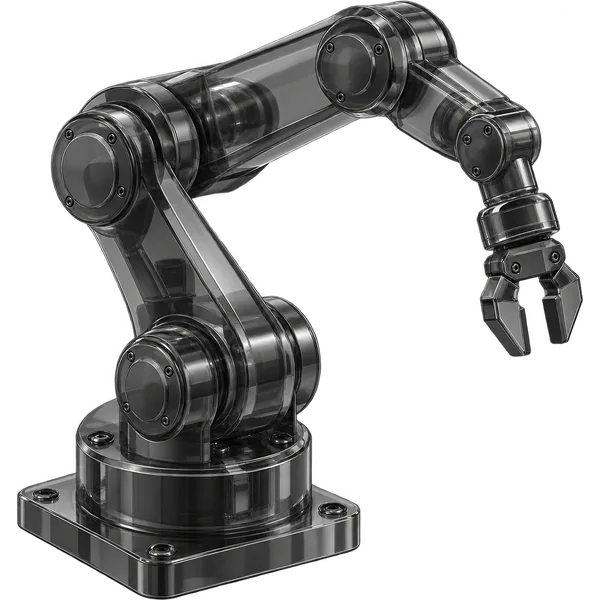
Cameras built into the line already catch crooked labels and short fills faster than a person scanning by eye, and robotic arms handle stacking finished packs — tools capable of this exist right now. Plants haven't cut crews to match yet, though: swapping a torn film roll or freeing a jammed feeder still needs someone on the floor, so headcount drops only as each site retools.
What keeps a person on this line at all?
No license or minimum-staffing rule protects this role, so a plant can run fewer operators the moment its equipment stops jamming and misfeeding. For now, spotting a crooked label or a low fill by eye, and physically swapping film or clearing a tangle, is still faster done by a person than by adding sensors and robotics to handle every edge case.
How should an operator prepare for this?
Since no major or license is tied to this work, the practical move is learning the automation itself: get comfortable resetting vision-inspection systems, troubleshooting robotic arms, and reading the alarms that flag a jam or a short fill before it becomes obvious by eye. Operators who can fix the machines that replaced their old tasks stay useful the longest.
Written
Your thoughts on Packaging & Filling Machine Operator· English
No comments yet