Electronics, Appliance & Panel Assembler
🇺🇸 United States · ManufacturingJob Countdown
until AI starts replacing people in this job
Sep 8, 2033 · 2518 days left
Seating tiny connectors and wiring a panel from a drawing take dexterity robots don't have yet. Cuts start on high-volume lines, and custom low-volume shops hold on longer.
View replacement outlook
Estimated AI timeline
AI impact · ShrinkingElectronics, Appliance & Panel Assembler: what AI changes and what stays
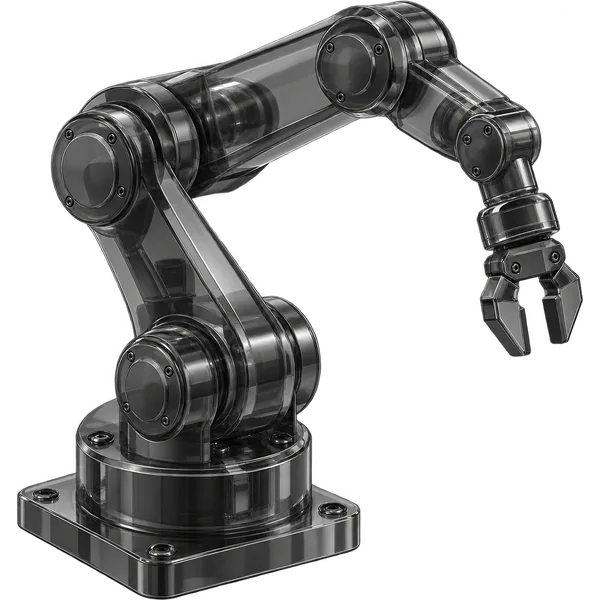
A robot arm still fumbles a connector the size of a fingernail more than a person does. That single weakness — fine, fiddly hand work — is what's keeping a person on many electronics assembly lines for now.
Which electronics assembly work is easiest for a robot to take?
A high-volume line making the exact same product over and over, where a robot can be set up once and repeat the same tiny motion thousands of times, is where automation reaches first. Wiring a custom control panel from a drawing and checking continuity by hand, or catching a cosmetic scratch a camera might miss, hang on longer, especially on lines making many different small orders.
Why does small-connector work resist robots specifically?
Seating a tiny connector or screw reliably needs a level of fine touch and adaptability that robot hands are still catching up to, so this specific task is a real bottleneck rather than something automated simply because nobody's tried. This site expects high-volume lines to cut staff first, some years before high-mix, small-batch shops feel the same pressure.
What should an electronics assembler build toward?
Skill at reading a wiring drawing and building a one-off or custom control panel is harder for a robot to absorb than repetitive assembly, so leaning toward that kind of varied, made-to-order work is a safer direction. Getting good at final visual and continuity inspection — catching what an automated test misses — is also a specific, defensible skill worth deliberately building.
Written
Your thoughts on Electronics, Appliance & Panel Assembler· English
No comments yet